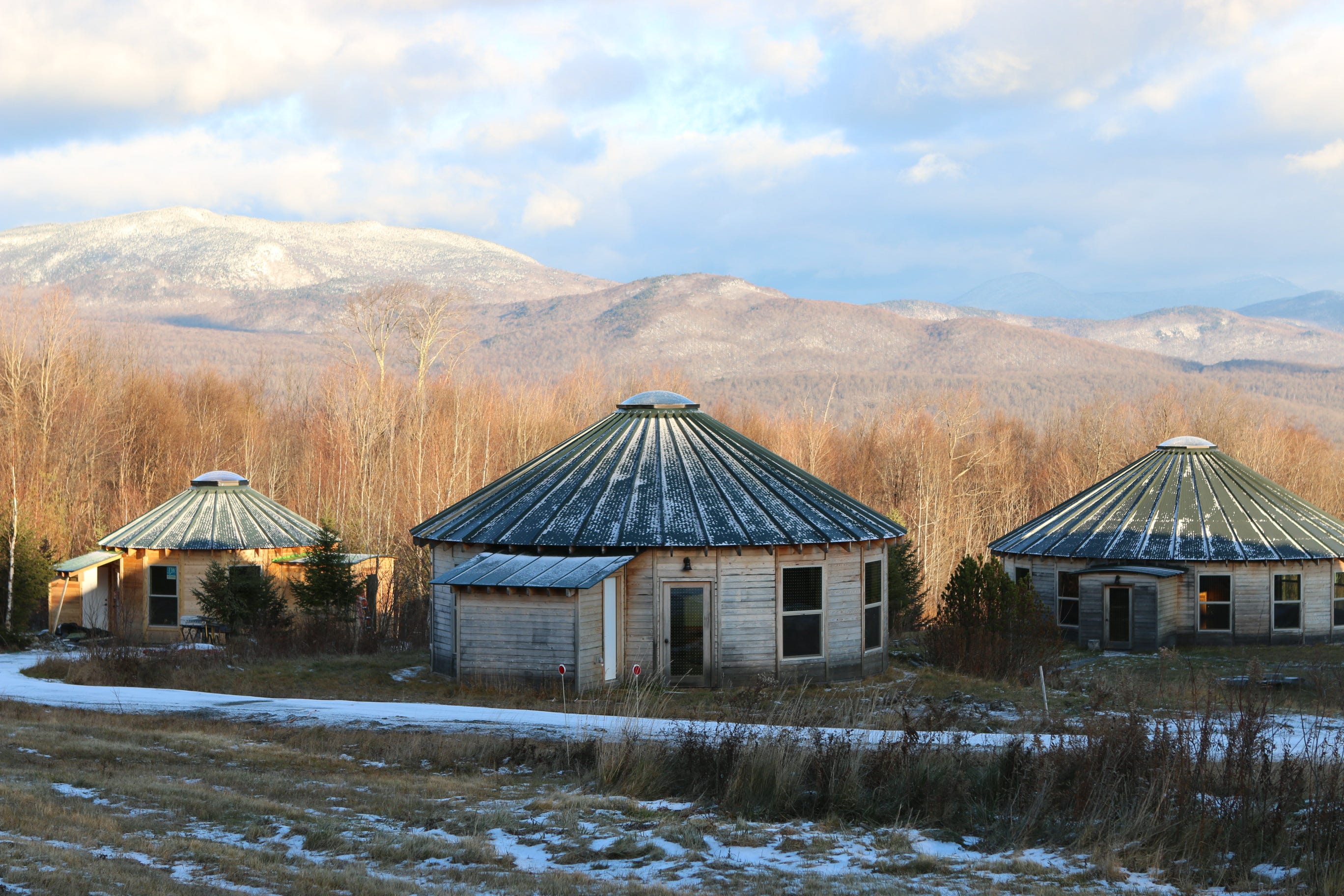
This past week, a writer from The New Yorker visited for four days to do a piece on our work on AI.
After he arrived, another guest asked him out of curiosity: Was he here to immerse himself and see through our eyes? Or to extract as a colonizer, to mine for material? He responded he was here to “get the best story.” The decision to invite him was based on a determination: we must give people a chance to be brave. (Read tale by MAPLE Executive Director Ananda.)
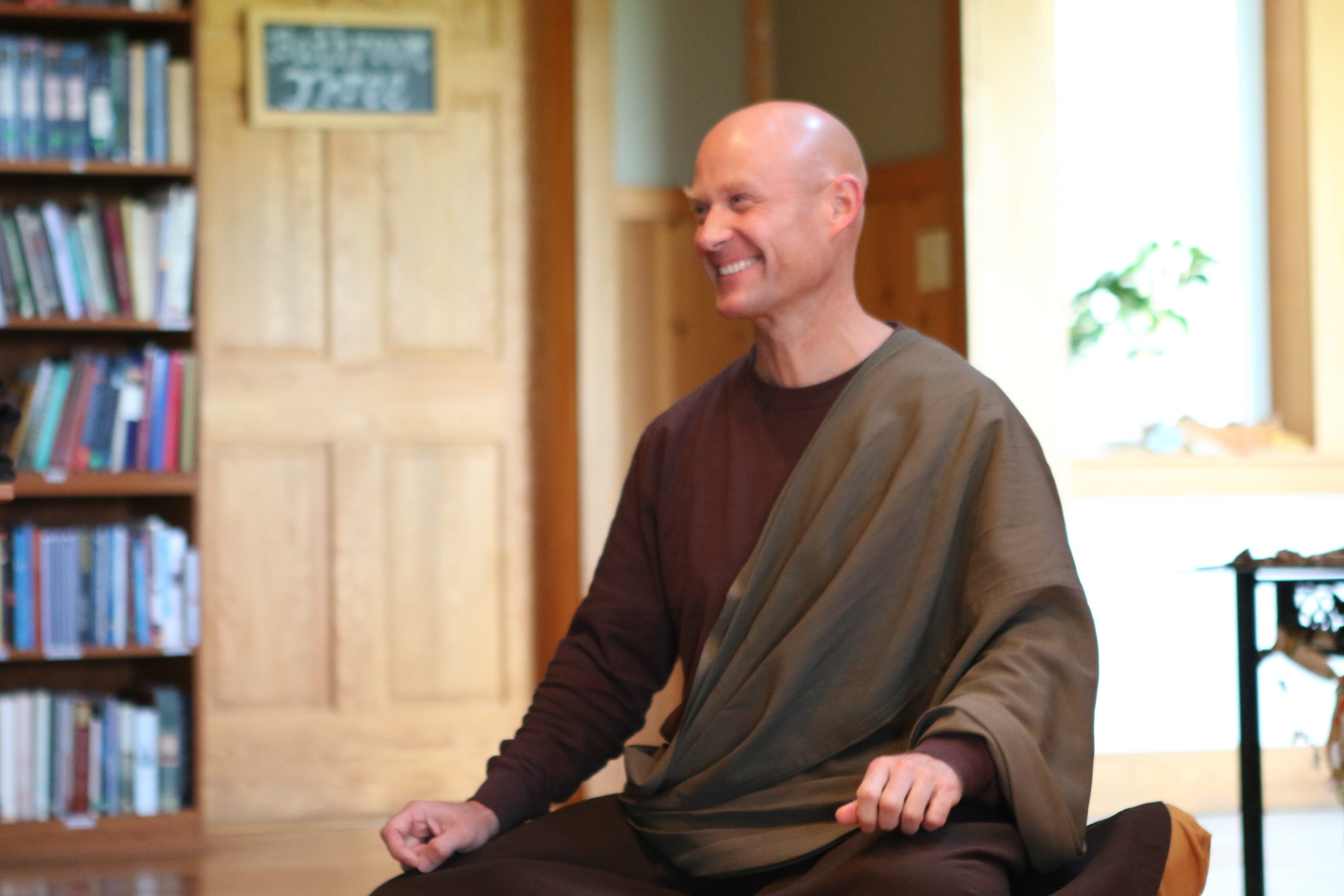
At the end of his stay, the whole group participated in a mindful decision-making workshop led by our Teacher Soryu Forall. We share the full recording below. It’s a window into our internal process, the first time we’ve released such a recording to the public.

Sam, who joined 30 minutes in, did something guests do to monasteries around the world—he tried to dominate our conversation. As an evangelist from a dominant culture, to try to force us to submit is expected, and he confessed his tendency to do that in lots of conversations, especially as a vehicle for promoting Marxism. What he found difficult is that we resisted.

Sam raised a question: Where do structures of domination originate?
We answered: Attachment to thinking. (Read open letter by MAPLE community member Bodhicitta.)
He followed up with a great inquiry: Do monasteries (and MAPLE in particular) have fewer structures of domination than the mainstream? Or more? He expressed a grave concern that our community dominates people with hierarchy and reverence. Here is how we responded. (Listen to podcast by MAPLE renunciate Renshin.)
To Sam, it was natural to force a workshop on mindfulness to be a discussion of Marxism. We welcomed his full participation and particular way of being; at the same time, we pointed out he was interrupting people and that he should stop. (Read essay by MAPLE Trainee Gigen.)
We brought the conversation back around: “The domination that just happened—of you dominating the conversation with Marxism—where did that structure of domination come from?” (Read letter by MAPLE AI Fellow.)
How do you answer this question? That is what the first part of our training achieves. If we have realized a way to free ourselves from these structures, we can then build structures that free others. A monastery is a structure of cultivation that frees people from structures of domination.

Sam refused our main offerings—practice, meditation instruction, chanting, and methods for clarifying one’s mind. He had many objections to what he saw, while assiduously avoiding trying the practice for himself. (Watch video by MAPLE Trainee Trinley.)
It is impossible to properly understand what we do without the practice, but we also believe it is possible to convey something meaningful through dialogue. This newsletter is an expression of the living, breathing dharma, through language. (Read post by MAPLE Trainee Kyōshin.) (Read second post by Kyōshin.)
The world is starting to pay attention, and we are receiving more interest from media outlets. Reporters, podcasters, and propagandists from the mainstream are coming. We expect them to ask us many questions, in new and creative ways.
We too must express the dharma in new and creative ways, even to those who will never practice the dharma, or to those who would use the dharma for personal gain or to block the way for others. We see how devotion to different ideologies has divided our own sangha, but even through conflict, there isn’t a separation. Sam is included. You are included. (Read piece by MAPLE trainee Kyōshin) (Read article by MAPLE AI Fellow.)
We do not shy away from these conversations. We engage with them in an environment of practice. We strive to stand courageously in the arena without losing our compassion for this confused age. (Read essay by MAPLE AI Fellow Aditya.)
We are grateful for the opportunity to share the teachings under these demanding circumstances.
Applications for our our next monastic training cohort close June 19